ABA Therapy for a 2-Year-Old in New York: What Every Parent Should Know
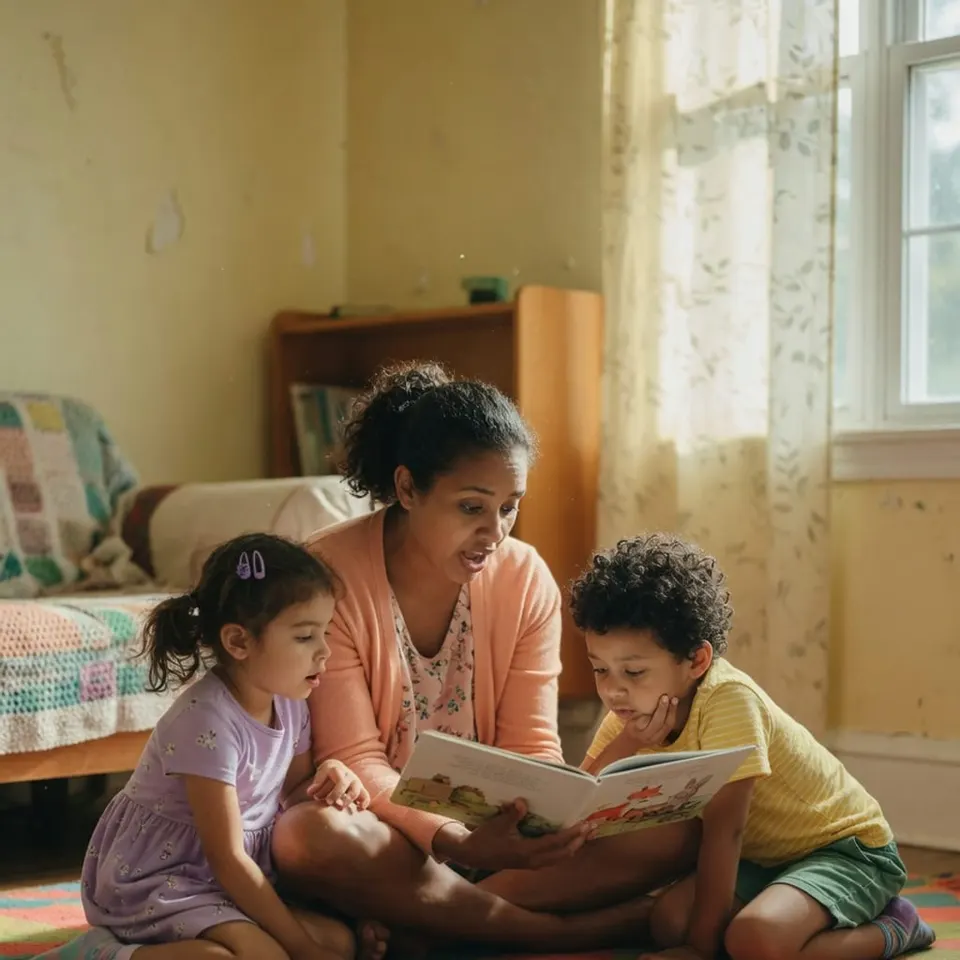
In short: ABA therapy can be a powerful early intervention for toddlers with autism in New York. It focuses on teaching communication, social, and daily living skills through play and positive reinforcement. Most private insurance and New York Medicaid cover ABA for children under 3, and Trusted ABA Therapy can connect you with vetted, BCBA-led providers at no cost.
Key takeaways
- Early intervention ABA for 2-year-olds is most effective during critical developmental windows.
- New York insurance laws require coverage for autism therapies, including ABA.
- Look for a BCBA-led program that uses play-based and naturalistic teaching.
- Free matching service like Trusted ABA Therapy simplifies finding qualified providers.
What Is ABA Therapy for a 2-Year-Old?
Applied Behavior Analysis (ABA) therapy is a scientifically proven approach to helping children with autism learn new skills and reduce behaviors that may interfere with daily life. For a 2-year-old, ABA is play-based, gentle, and tailored to the child's developmental level. A Board Certified Behavior Analyst (BCBA) designs a program that breaks down skills like requesting a toy, making eye contact, or following simple instructions into small, teachable steps. Through positive reinforcement and naturalistic teaching, sessions feel more like fun interactions than therapy.
ABA for toddlers is not about drills or rigid repetition. Instead, therapists use the child's interests - bubbles, trains, songs - to encourage communication and social interaction. Many programs take place in the home, where the child is most comfortable, or in a supportive center setting. The goal is to build a foundation for learning that will carry into preschool and beyond.

🔗 Related reading: ABA Therapy in MA: Summer & After-School Programs Guide · Find ABA Near Me
Why Age 2 Is a Critical Time for ABA
The brain grows fastest during the first three years of life. Early intervention with ABA can significantly improve outcomes for children with autism. At age 2, children are naturally learning to talk, play with others, and explore their environment. ABA supports these natural milestones by teaching alternative ways to communicate when speech is delayed, and by helping the child engage in back-and-forth play. Research shows that children who start ABA before age 3 often make greater gains in language, social skills, and adaptive behavior than those who start later.
New York's Early Intervention Program (EIP) provides services for children birth to age 3 who have developmental delays or disabilities. If your 2-year-old qualifies, ABA may be offered as part of their individualized plan. Even if your child does not have a formal diagnosis, a BCBA can conduct an assessment to identify strengths and areas where support might be helpful.
What to Expect in ABA Sessions for a 2-Year-Old
The First Step: Assessment and Goal Setting
Before therapy begins, a BCBA will meet with you and your child to conduct a functional behavior assessment. They'll observe your child's play, communication attempts, and any challenging behaviors. Together, you'll set goals that are meaningful for your family - for example, increasing the number of words your child uses, decreasing tantrums, or teaching your child to point to a desired object. These goals are written into a treatment plan that is reviewed regularly.
Session Structure
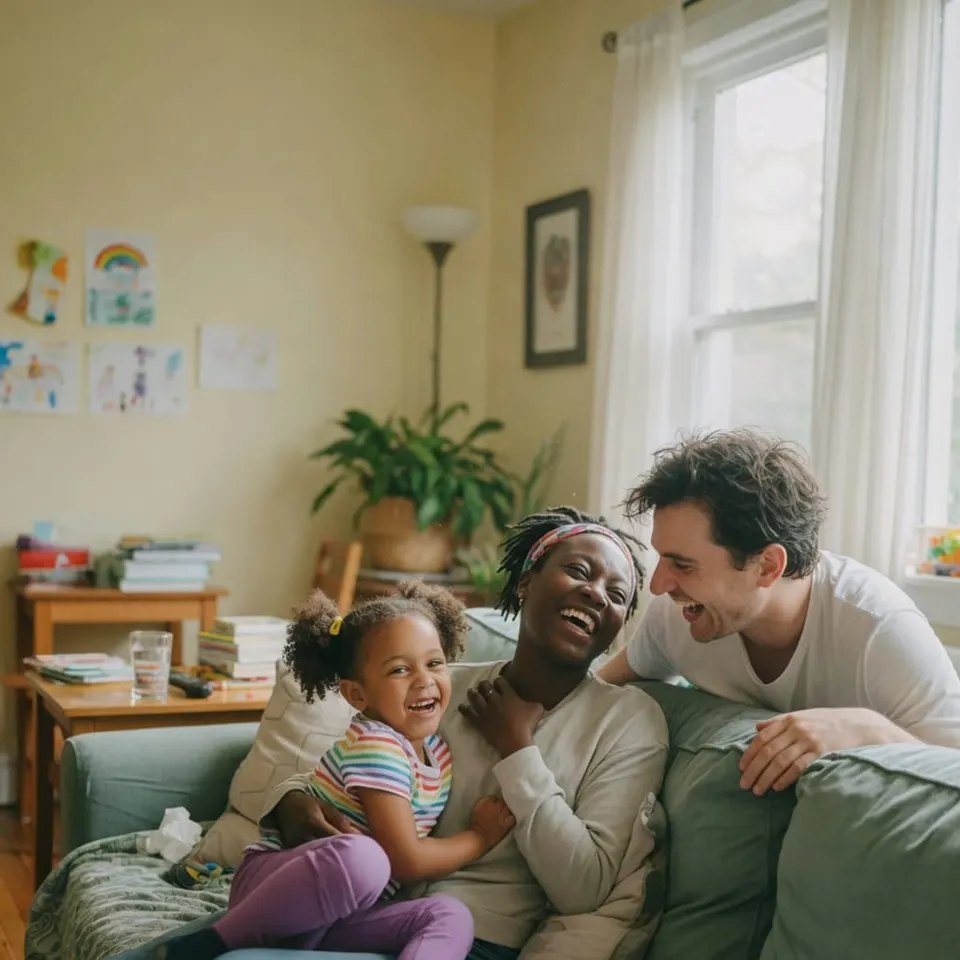
Sessions for a 2-year-old are typically short - 1 to 3 hours per session - and happen several times per week. A Registered Behavior Technician (RBT) works directly with your child under the supervision of the BCBA. The therapist follows your child's lead, embedding learning opportunities into play. Common activities include:
- Requesting a toy or snack using words, signs, or pictures
- Imitating sounds and actions during songs
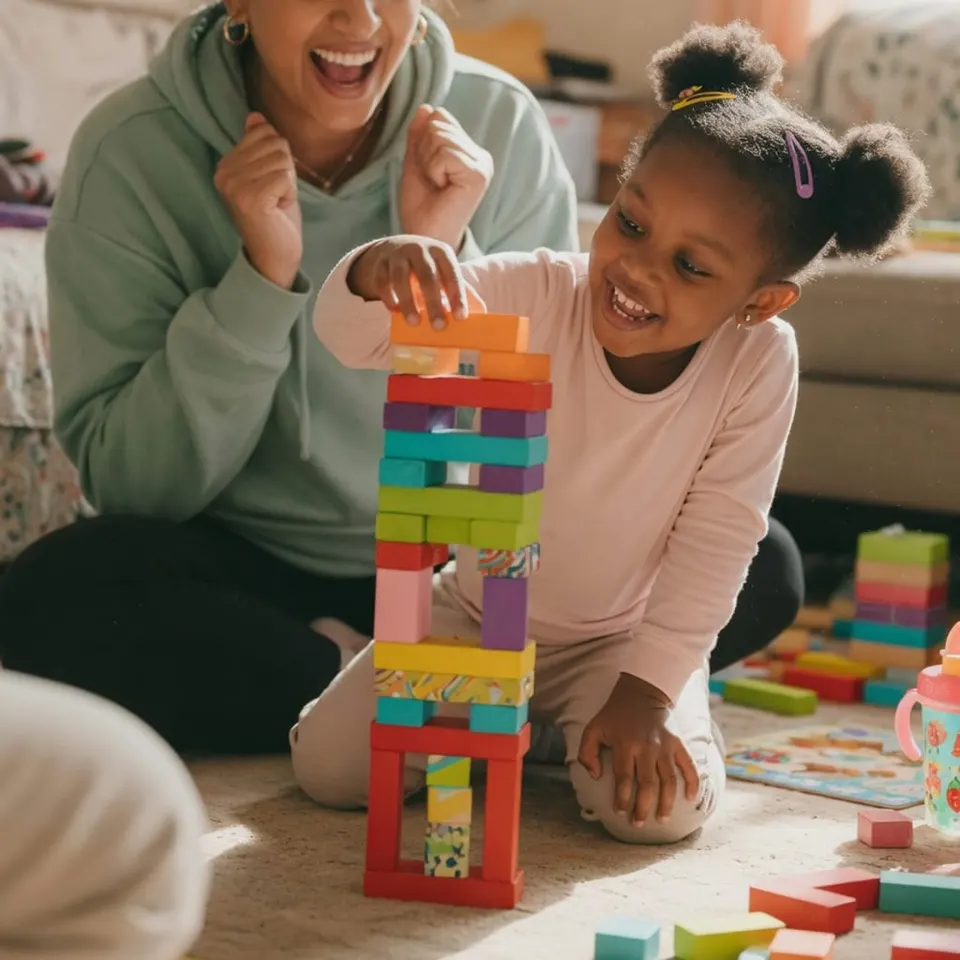
- Taking turns rolling a ball or stacking blocks
- Responding to their name
- Practicing simple self-help skills like washing hands
Throughout the session, the therapist collects data on your child's responses to ensure the program is effective. The BCBA meets with you regularly to review progress and adjust strategies as needed.
🔗 Related reading: Texas Autism Insurance Appeals: Step-by-Step Playbook · Local ABA Therapy
How to Find ABA Therapy for a 2-Year-Old in New York
Finding the right ABA provider can be overwhelming. New York has many options, but not all are created equal. You want a BCBA-led practice with experience working with toddlers. Some agencies specialize in early intervention for children under 3. You can search through the New York State Department of Health's list of approved Early Intervention providers, or you can use a free referral service like Trusted ABA Therapy. We match families with vetted, BCBA-led providers in your area - at no cost to you. We take into account your child's age, your insurance, and your location to find the best fit.
Home-Based vs. Center-Based
Many families of 2-year-olds prefer home-based ABA because it eliminates travel and allows the therapist to work in the child's natural environment. Siblings and parents can participate, which helps generalize skills. Center-based programs offer a structured setting with peers of similar ages, which can be beneficial for social development. Some providers offer a hybrid model. Consider your child's temperament and your family's schedule when deciding.
Insurance and Medicaid Coverage for ABA in New York
New York has strong insurance laws that require most private health plans to cover autism treatment, including ABA. If you have commercial insurance, check your plan's behavior health benefits. You will likely need a prescription or referral from your child's pediatrician or developmental specialist. The provider's BCBA will typically handle the authorization process.
New York Medicaid also covers ABA for children under 21 when deemed medically necessary. For a 2-year-old, you may need a diagnosis of autism spectrum disorder (ASD) to qualify, but some children receive ABA under Early Intervention without a formal diagnosis. The New York State Early Intervention Program (EIP) uses public funding, including Medicaid, to provide services at no cost to families. If your child qualifies for EIP based on developmental delay, they may receive ABA without needing an ASD diagnosis.
If you are unsure about your coverage, many providers offer free insurance verification. Trusted ABA Therapy can also help you find providers who accept your specific plan.
How Much Does ABA Therapy Cost for a 2-Year-Old?
Without insurance, ABA therapy can cost between $50 and $150 per hour, depending on the provider and location in New York. For a 2-year-old, recommended hours might range from 10 to 25 hours per week. However, with insurance and Early Intervention, most families pay little to nothing out-of-pocket. If you qualify for EIP, services are free. For private insurance, you may only be responsible for copays or coinsurance, and many plans have out-of-pocket maximums that cap your annual spending.
Because costs vary widely, always confirm with the provider and your insurance company before starting. Free matching services like Trusted ABA Therapy can help you find providers that align with your budget and coverage.
Tips for Getting the Most Out of ABA for Your Toddler
- Be involved: Ask the BCBA for strategies you can use during daily routines like mealtime, bath, and bedtime. Consistency across settings speeds up progress.
- Communicate with the team: Share what works at home and any changes in your child's behavior or health. The more information the therapist has, the better they can tailor the program.
- Celebrate small wins: Progress may be gradual. Celebrate each new word, each shared smile, each moment of calm. Those are the building blocks of bigger achievements.
- Advocate for your child: If a therapy approach doesn't feel right, speak up. A good provider will adjust. Your child's comfort and trust are essential for learning.
Common Mistakes to Avoid When Starting ABA
- Waiting for a formal diagnosis: You don't need a full ASD diagnosis to start ABA through Early Intervention in New York. A developmental delay is enough to begin receiving services.
- Choosing based solely on location: Convenience matters, but quality of supervision and experience with toddlers should be top priority.
- Not checking BCBA credentials: Always verify that the behavior analyst is licensed in New York State (LBA). You can check the New York State Education Department's website.
- Expecting immediate results: ABA is a process. Some skills take weeks or months to develop. Patience and consistency are key.
Getting Matched with a Trusted ABA Provider Today
If you're ready to explore ABA therapy for your 2-year-old in New York, you don't have to do it alone. Trusted ABA Therapy offers a free service that connects you with vetted, BCBA-led providers in your area. We consider your child's age, insurance, and preferences to send you personalized matches. There is no obligation. Start by filling out a short form on trustedabatherapy.com, and a match specialist will reach out within one business day.